Chicago Booth MBA: Everything You Need to Know About the 2025-26 Application
Chicago Booth has the most flexible curriculum of any M7 MBA program — only one required course. But flexibility isn't why people get in. This guide covers what Booth actually looks for, the 2025-26 essay prompts, deadlines, and how to position yourself as a strong candidate.
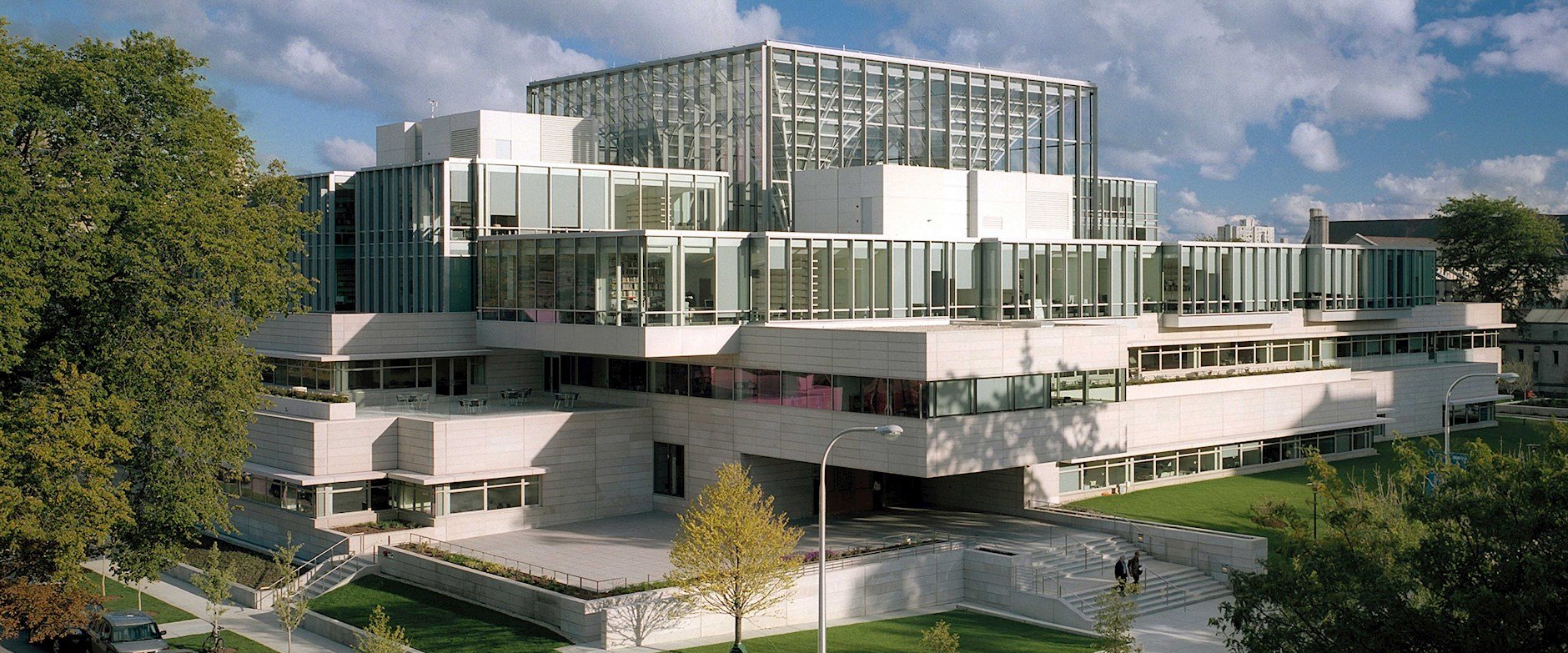
Chicago Booth gets described as the "flexible" MBA program so often that the word has lost most of its meaning. Yes, Booth has only one required course. Yes, students can customize their curriculum more than at any other M7 program. But applicants who lead with flexibility as their reason for choosing Booth make a significant strategic error — because flexibility is a feature of the program, not a reason the admissions committee admits you.
This guide covers what actually gets applicants into Booth: what the admissions committee values, how to approach the 2025-26 essays, and what the class profile looks like for the people who get in.
What Chicago Booth Actually Looks For
Booth is the most academically rigorous MBA program in the world in one specific dimension: its commitment to data-driven, empirical thinking. The school has produced more Nobel Prize winners in Economics than any other institution. That intellectual culture runs through the program and through what the admissions committee values.
Three things matter most at Booth. First, intellectual curiosity — not just professional achievement, but evidence that you engage deeply with ideas, seek out complexity, and enjoy rigorous analysis. Second, leadership with impact — Booth wants people who have moved organizations forward, not just managed within them. Third, community contribution — Booth's culture is collaborative and the admissions committee looks for people who will enrich the community, not just extract value from it.
Booth attracts a disproportionate share of applicants from finance, consulting, and technology, which means competition in those pools is intense. If your background is more unusual — military, government, nonprofits, medicine — your differentiation is already built in. If you're in a common feeder profession, your essays need to do more work to distinguish you.
The 2025-26 Essay Prompts
Chicago Booth uses two essays plus an optional essay for the 2025-26 cycle.
Essay 1: How will the Booth MBA help you achieve your immediate and long-term post-MBA career goals? (Recommended 250 words)
This is a goals essay, and Booth is explicit that they want specificity. Vague goals like "become a leader in the tech industry" or "make an impact in sustainable finance" don't work here. The admissions committee wants to know exactly what role you're targeting immediately after Booth, what industry you want to be in, and where you see yourself in ten years. The Booth connection should be specific — which faculty, which research centers, which student groups, which courses align with your goals.
Essay 2: An MBA is a catalyst for change. How has a transformative experience or a pivotal moment in your life informed who you are today and influenced how you will contribute to the Booth community? (Recommended 250 words)
This essay is not a resume highlight reel. Booth is asking for a specific moment — one experience, one decision, one relationship — and what it taught you about yourself. The best responses to this prompt are specific, personal, and reflective. They reveal character, not credentials.
Optional Essay: Is there any unclear information in your application or anything else you would like to share with the admissions committee? (Recommended 250 words)
Use this only if you have a genuine gap to address — a low GPA, a career gap, a weak GMAT, a job change that needs context. Don't use it as a third essay or a chance to add more achievements.
2025-26 Application Deadlines
- Round 1: September 26, 2025 — decisions by December 12, 2025
- Round 2: January 7, 2026 — decisions by March 26, 2026
- Round 3: April 8, 2026 — decisions by May 15, 2026
Booth admits a relatively equal proportion of students across R1 and R2. Round 3 is small but real — primarily for candidates with a compelling reason for the late application. If you're targeting Booth seriously, R1 or R2 are your best options.
Class of 2026 Profile
- Class size: 630 students
- Median GMAT: 729
- Median GRE: 161V / 163Q
- Median GPA: 3.6
- Average work experience: 5 years
- Women: 46%
- International students: 37%
- Acceptance rate: approximately 24%
The Curriculum Flexibility — What It Actually Means
Booth's only required course is LEAD — Leadership Effectiveness and Development, a first-year program focused on interpersonal skills and team dynamics. Every other course is an elective. Students design their own curriculum from over 200 courses across 13 academic areas.
In practice, this means Booth students can go deep in one area — spending the entire MBA building expertise in corporate finance, econometrics, or entrepreneurship — or go broad across multiple disciplines. Most students end up somewhere in between, with a primary concentration and several courses outside it.
Booth also offers four joint degree programs: JD/MBA with the University of Chicago Law School, MD/MBA with Pritzker School of Medicine, AM/MBA in social sciences, and PhD/MBA. These are highly competitive and require separate applications to both programs.
The Booth Interview
Booth uses an invitation-only interview process. Interviews are conducted by admissions staff, students, or alumni and are typically 30-45 minutes. The format is conversational rather than heavily behavioral, though you should prepare STAR-format stories for leadership and impact questions.
Booth interviews are known for going deeper on intellectual interests than interviews at most other M7 programs. Be prepared to talk about what you're reading, what ideas you're wrestling with, and what you find genuinely interesting about business and economics — not just your career goals.
Is Chicago Booth Right for You?
Booth is the strongest fit for applicants who are intellectually driven, want rigorous quantitative training, and value the freedom to design their own academic path. It consistently places among the top two or three MBA programs for finance careers, and its economics faculty is unmatched at any business school in the world.
If you thrive in structured environments with clear expectations, the flexibility may actually feel disorienting rather than liberating — Booth students have to be self-directed in a way that not everyone finds comfortable. If you're the kind of person who gets excited about building your own curriculum and going deep on ideas that interest you, Booth will feel like it was built for you.
Applying to Chicago Booth and want expert guidance on your essays? Book a free consultation with M7A — our team includes recent Booth alumni who know exactly what the admissions committee values.
Keep reading

How to Write an MBA Personal Statement That Actually Works
Most MBA personal statements read like resumes with transitions. This guide covers what admissions committees actually want to see, how to structure your statement for maximum impact, and the most common mistakes that sink otherwise strong applications.

What Can You Do With an MBA? Post-MBA Career Paths Explained
The most common question from MBA applicants isn't about getting in — it's about what comes next. This guide breaks down the real post-MBA career paths that M7 graduates take, including consulting, finance, tech, startups, and less obvious options, with realistic salary expectations for each.

How to Address Employment Gaps in Your MBA Application
An employment gap won't disqualify you from HBS, Stanford, or Wharton — but a weak explanation might. This guide covers what M7 admissions committees actually think about career gaps, how to address them in your resume and essays, and what to say when the gap was involuntary.

Should You Go to Business School? An Honest Framework for Deciding
Getting into a top MBA program doesn't mean you should go. This guide gives you an honest framework for evaluating the decision — the real ROI, who benefits most, who should wait, and the cases where skipping business school is the smarter move.